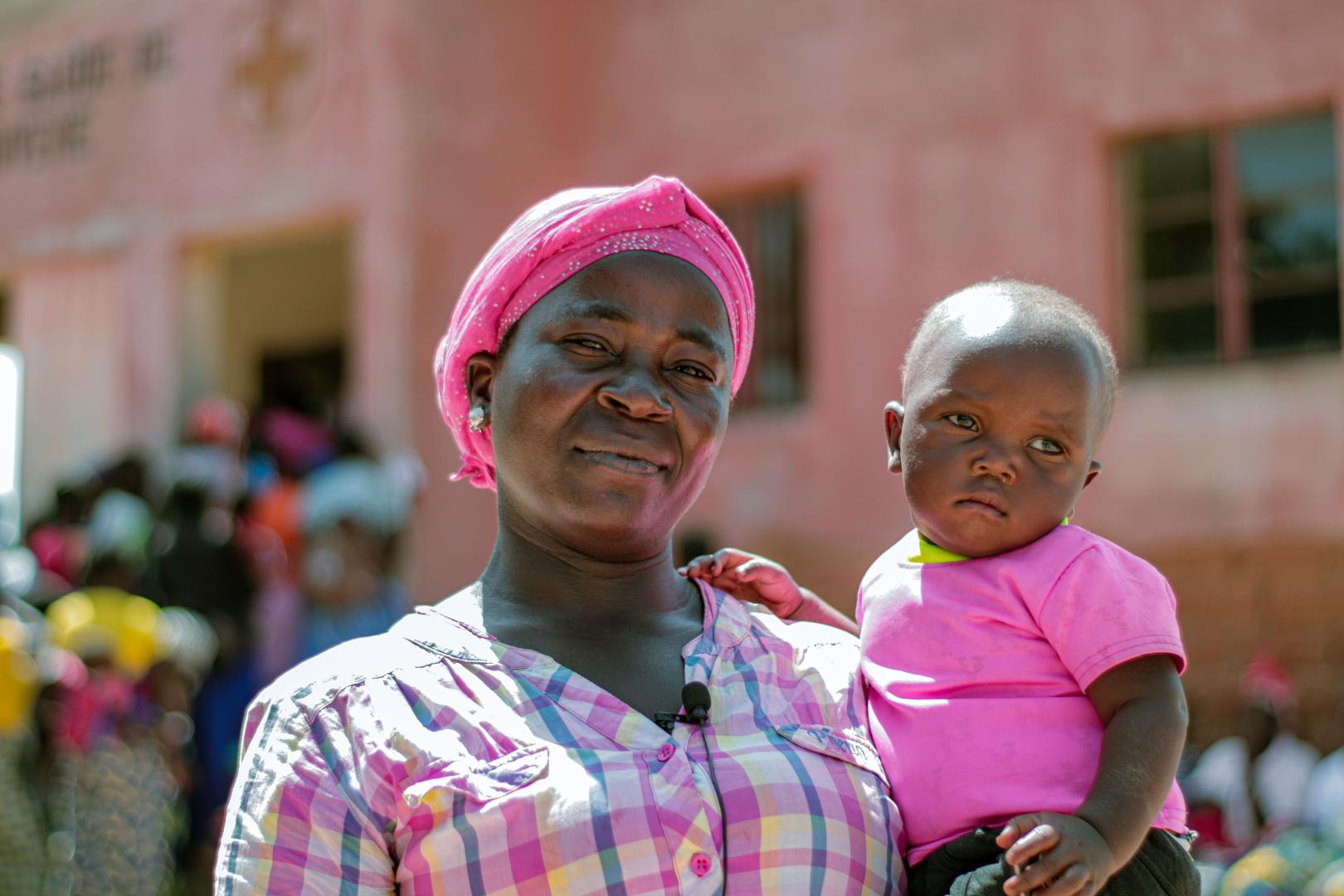
Angola reinforces commitment to Financial Protection for Universal Health Coverage
The World Health Organization (WHO) marked Universal Health Coverage Day on 12 December 2025 in Luanda, under the theme “Financial Protection for Universal Health Coverage.” In collaboration with the Private University of Angola (UPRA), the initiative reinforced key messages on pathways to financial protection in accessing and using health services, as well as the ongoing need to sustain policy commitments that ensure equitable access to quality health care without exposing families to financial hardship.
Since the adoption of the 2030 Agenda for Sustainable Development in 2015, Heads of State and Government have committed to promoting healthy lives and well-being for all. These commitments were reaffirmed in the political declarations of the United Nations General Assembly High-Level Meetings on Universal Health Coverage in 2019 and 2023, consolidating UHC as a fundamental human right and a global priority. However, the 2025 Global Monitoring Report on Universal Health Coverage, published by WHO and the World Bank, shows that the world remains far from achieving the 2030 targets, with approximately 4.6 billion people lacking access to essential health services and 2.1 billion facing financial hardship due to out-of-pocket health expenditures.
Against a challenging global backdrop marked by a significant reduction in external financing for health, the celebration of UHC Day in Angola underscored the importance of investing in financial protection as a means to strengthen community resilience, safeguard essential services, and promote economic prosperity, while leaving no one behind.
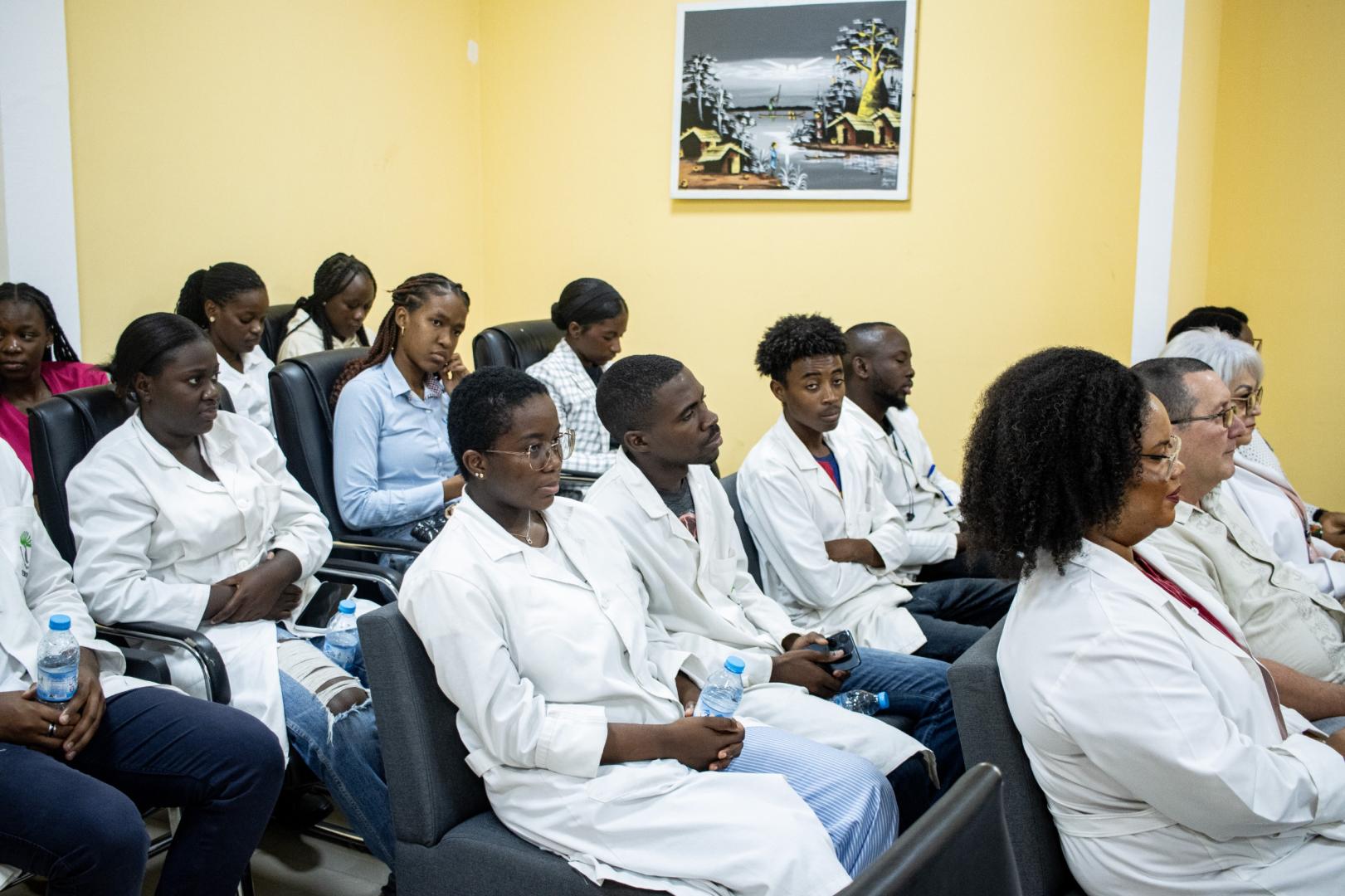
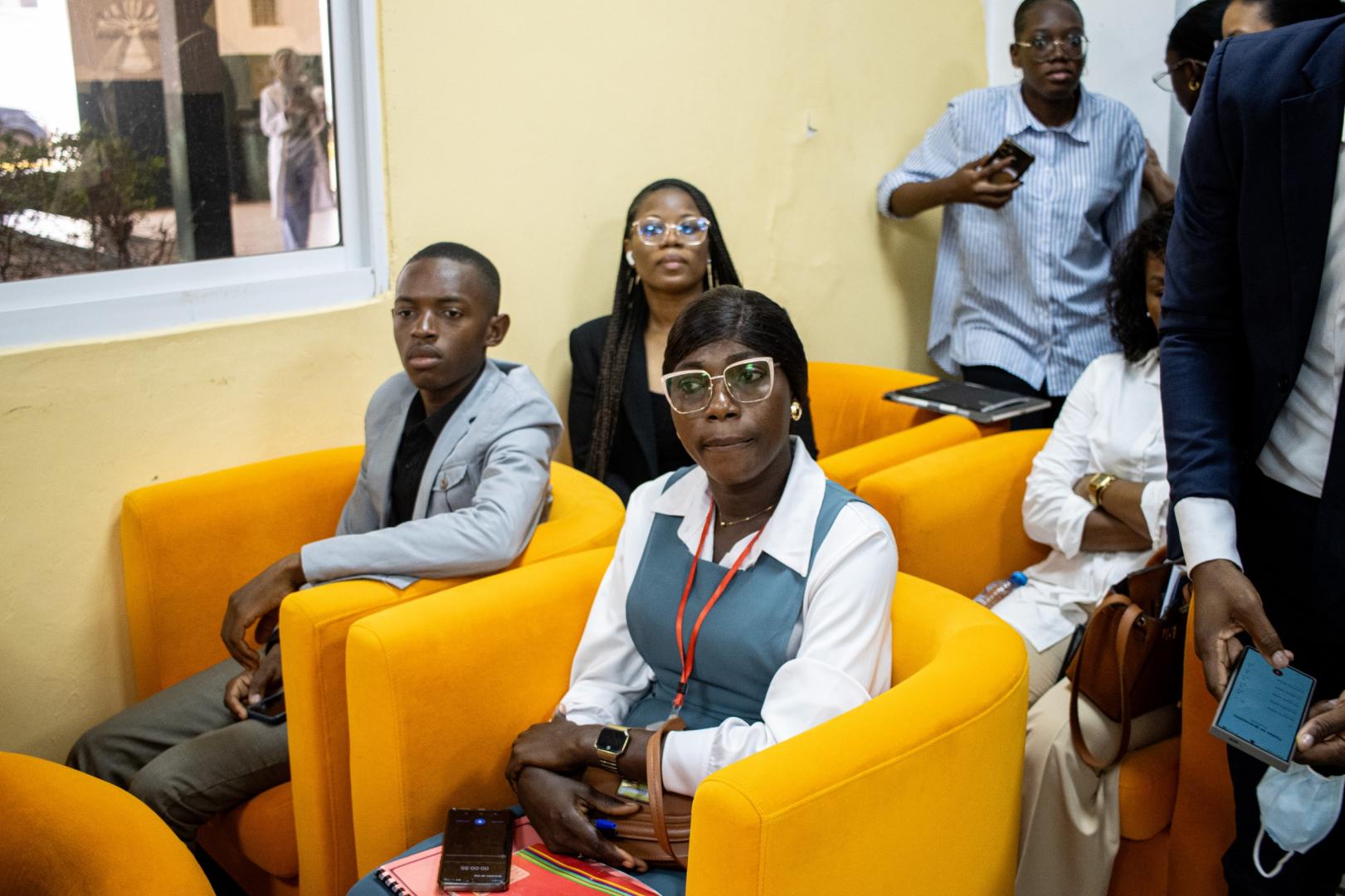
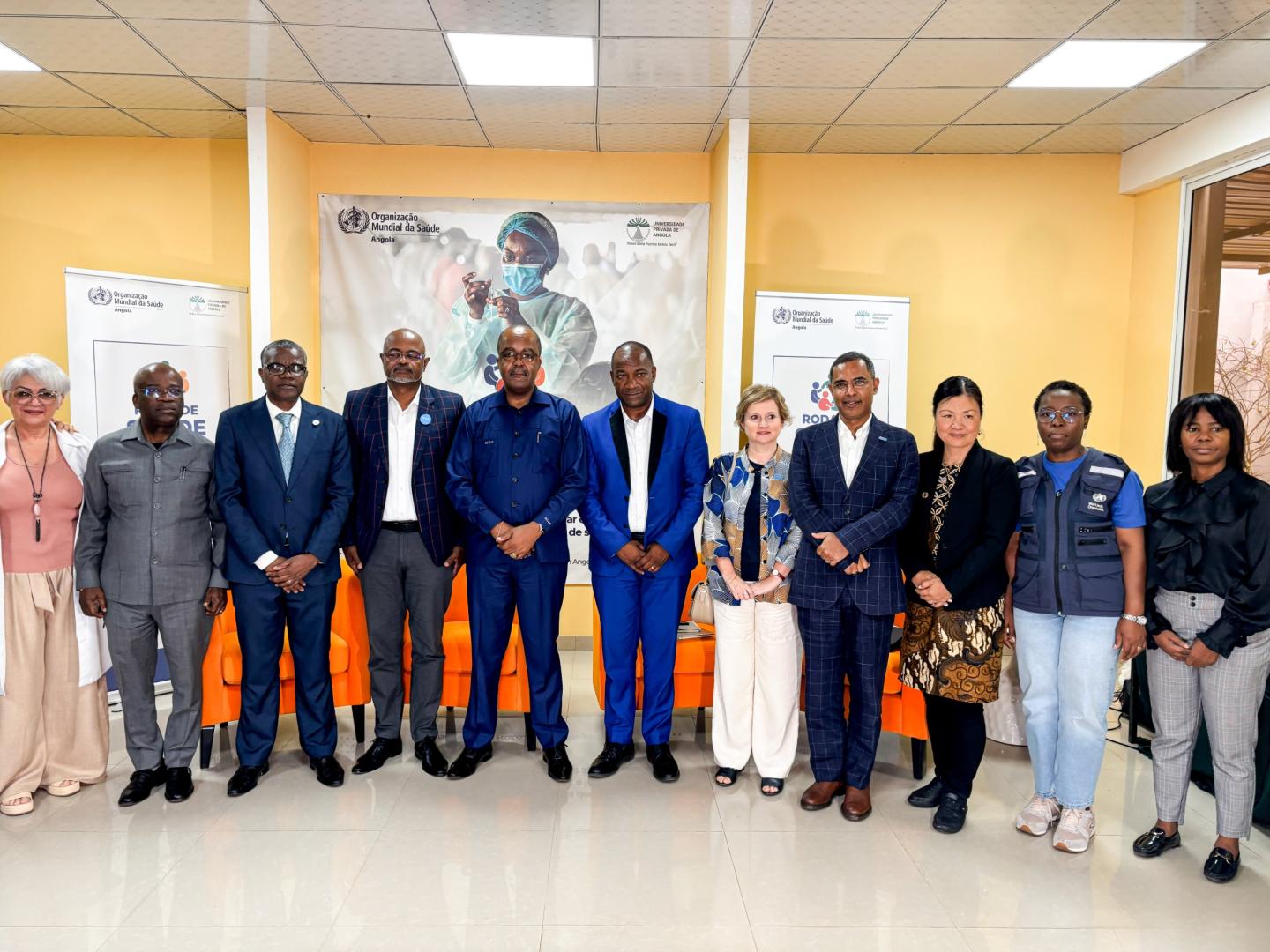
The event brought together, in a hybrid format, a panel of experts in health policy and planning who discussed strategies to accelerate the implementation of UHC, with a strong focus on financial protection. Participants included representatives from WHO, UNICEF, and UNFPA, as well as students, faculty members, civil society organisations, and partners such as the Red Cross, PSI Angola, and The Mentor Initiative. Participation through digital platforms enabled broader outreach and increased public engagement.
During the discussions, panellists examined persistent challenges in access to health services, including financial barriers, limited resources, and the impact of reduced global funding for health initiatives on national health systems, particularly due to cuts in external financing and reduced technical assistance to countries.
The panel proposed a set of strategic solutions to accelerate the implementation of UHC and meet the 2030 Sustainable Development Goals. Five key areas were highlighted: 1) diversification of funding sources and strengthening strategic partnerships with multilateral institutions such as the World Bank, African Development Bank, Gavi, the Global Fund and the Pandemic Fund, as well as with the dynamic national private sector; 2) strengthening the role of academia and research institutions in generating and disseminating evidence on financial protection and sustainable health financing to inform public health policy decisions; 3) adoption of sustainable financing mechanisms with a strong focus on Primary Health Care, including increased budget allocations and improved efficiency in budget execution at decentralized levels; 4) expansion of social protection measures to reduce households’ reliance on direct payments, including health insurance schemes and public–private partnerships in health financing; and 5) leveraging global and regional initiatives to improve pooled and joint procurement mechanisms for medicines and health products, as a means to reduce final costs for households and patients and lessen their share of total health expenditures.
“Investing in financial protection is not only a matter of financial justice, but a strategic decision that promotes equity in access to health care, strengthens social cohesion, and contributes to the country’s economic growth,” said Dr Indrajit Hazarika, WHO Representative in Angola.
The celebration of Universal Health Coverage Day in Angola reaffirmed the need for coordinated political action among government, development partners, academia, and communities to ensure that health remains an accessible right for all.
Communication Assistant
WHO Angola
rpedro [at] who.int (rpedro[at]who[dot]int)